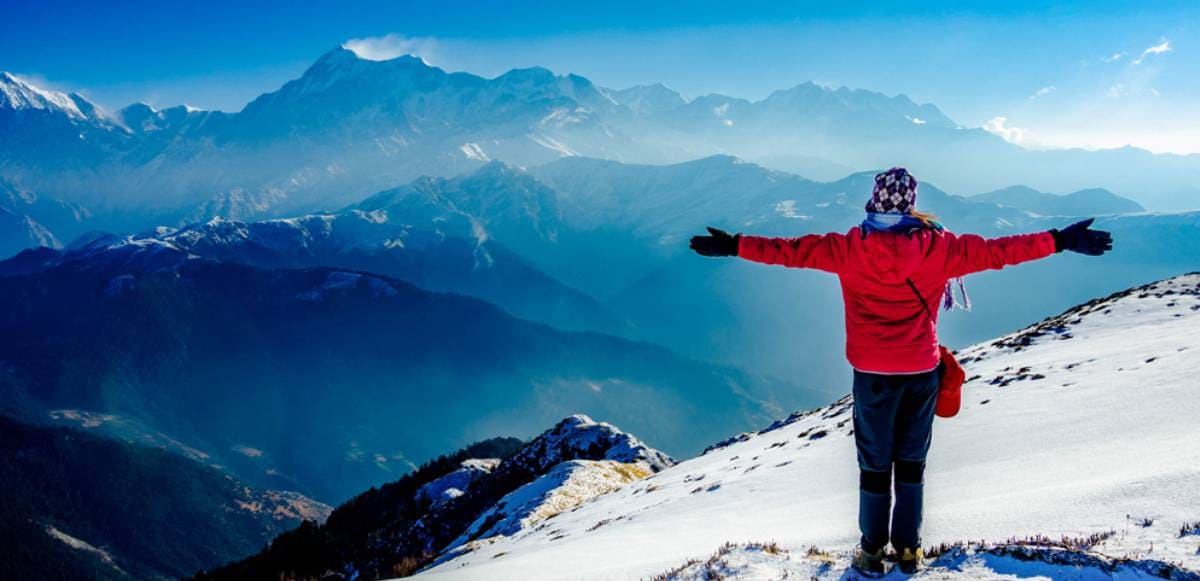
Tucked away in the heart of Uttarakhand’s Garhwal Himalayas, the Brahmatal Trek offers an exhilarating mix of alpine lakes, snow-blanketed meadows, high ridges, and sweeping Himalayan peaks. Ideal for both novices and seasoned trekkers, Brahmatal rewards adventurers with pristine serenity, stunning panoramas, and snow-kissed magic, especially during winter and spring. Whether you’re seeking solitary wilderness or a family adventure, this trek delivers.
| Feature | Details |
|---|---|
| Location | Chamoli district, Uttarakhand, India |
| Base Village | Lohajung |
| Duration | Typically 6 days / 5 nights (including approach & return) |
| Trek Distance | ~ 22-26 km of hiking (depending on route) |
| Highest Altitude | ~ 12,200-12,300 ft (≈ 3,700-3,750 m) at Brahmatal Top and summit points |
| Difficulty Level | Easy to Moderate — requires good fitness; non-technical but can be challenging in snow/winter conditions |
| Best Seasons | Winter (Dec-Mar) for snow; Spring (Apr-June) for rhododendrons; Post-monsoon/Autumn (Sep-Nov) for clear skies and fewer crowds |
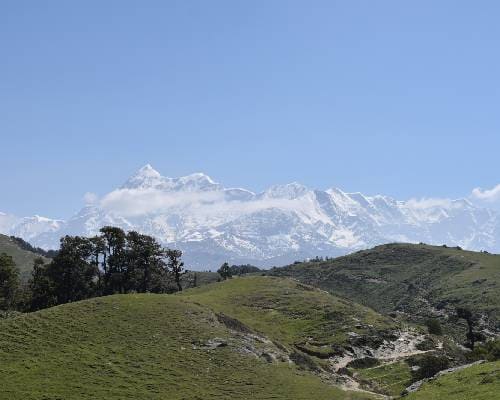
Scenic Variety: Dense oak & rhododendron forests → open bugyals (meadows) → alpine ridges → frozen lakes in winter.
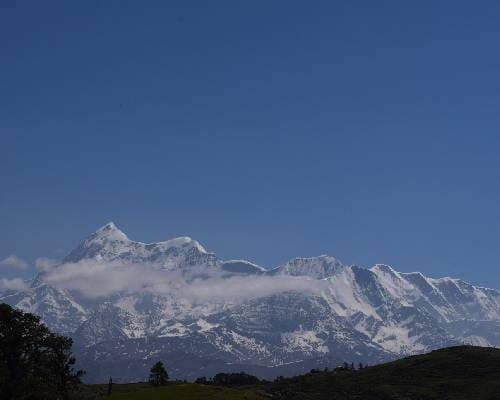
Spectacular Peak Views: From various vantage points, trekkers enjoy views of Mt Trishul, Nanda Ghunti, Chaukhamba, Nilgiri, Neelkanth, and other Himalayan giants.
Winter Wonderland: For many, Brahmatal is one of the rare treks in Uttarakhand accessible in deep winter, offering snow-fields, frozen lakes, crisp skies, and magical winter light.
Balanced Challenge for Beginners: While some days are steep, the altitude gain is gradual across campsites, making it doable for someone with good fitness and preparation.
| Season | When | What to Expect |
|---|---|---|
| Winter | December to March | Snow-covered trails, frozen lakes, beautiful snow scenes; cold nights; trail can be slippery or hard-packed snow. |
| Spring | April to June | Warming weather, blooming rhododendrons, clear skies, melting snow; greener landscapes. |
| Monsoon | July to August | Generally avoided due to heavy rain, slippery trails, leeches, poor visibility. |
| Autumn/Post-Monsoon | September to November | Crisp weather, stable skies, fewer clouds, post-monsoon freshness in vegetation. Great for photography. |
Trail Conditions: Forests and meadows, ridge walks. In winter, thick snow or ice; snow-pack can be hard or deep; in non-snow seasons paths may be muddy or slippery after rains.
Temperature Ranges:
Winter daytime: ~ 0-5 °C; Night: -5 to -12 °C depending on altitude & snow cover.
Spring / autumn: Day: ~ 8-15 °C; Night: ~ 0-5 °C.
Altitude Sickness Risk: Moderate altitude (highest ~12,200-12,300 ft). Some people may feel mild effects (headache, fatigue). Proper acclimatization (first night, easy day next) and hydration help.
Physical Fitness Needed: You should be comfortable walking ~5-7 hours a day with ascents up to ~1,500-1,800 ft in a day. Training (walking/running) a few weeks ahead, good cardio & leg strength are helpful.
Here’s what to carry to make your trek safe, comfortable, and memorable:
Trekking boots (waterproof, broken-in)
Warm layers: thermal base layers, fleece jacket, down jacket
Waterproof jacket & pants
Gloves, hat/beanie, scarf or neck gaiter
Socks (wool or synthetic, good pairs + spares)
Daypack (20-30 L) + large pack if porters carry load
Sleeping bag rated for cold (winter rated if going in snow)
Trekking poles (especially helpful in snow/steep descents)
Microspikes, gaiters (for snow/ice)
Water bottles / hydration system; water purification tablets or filter
Sunglasses, sunscreen, lip balm (UV is strong at altitude)
Headlamp & extra batteries
Basic first-aid kit (painkillers, altitude sickness pills, blister plasters, etc.)
Permits / identity proof / emergency contact info
Permits: Trekking permits are needed; for entry into forest areas, identity proof (Aadhar, passport). If with an organized group, the agency usually handles these.
Guides & Porters: Helpful especially in winter. Guides know the terrain, help in navigating snow, and locate safe routes. Porters can lighten your load.
Accommodation: Traditional guesthouses in Lohajung; campsites en route in tents. In winter, heavy snowfall might affect campsites.
Food & Water: Meals included on trek by most operators; carry sufficient water and purification methods. Above certain camps, water sources may be frozen or scarce.
Mobile Network & Connectivity: Good in base villages; limited or no network during much of the trek, especially at higher camps and in forested/snow-covered zones. Plan for offline navigation and communications.
Here’s a rough estimate of what you might spend (excluding travel to Uttarakhand base city):
| Expense | Approx Range (INR) |
|---|---|
| Trek package (6 days, camping + food + guide) | ~ ₹ 8,000 – ₹ 12,000 per person depending on group size, service level, season (Trek The Himalayas) |
| Transport (Rishikesh ↔ Lohajung) | Depends on vehicle and number of people |
| Gear rental (if needed) | Sleeping bags, jackets, microspikes etc. |
| Additional personal expenses | Snacks, tips, any extra lodging, emergencies |
Q: Is Brahmatal Trek safe for first-time trekkers?
Yes, if you are reasonably fit and properly geared. The trek isn’t technically hard but winter conditions (snow, cold) make extra preparation necessary.
Q: Can children or older people join?
Depends on fitness, health, and willingness. For those not used to altitudes or cold, it might be tough. Better to consult a doctor and join with a guided group.
Q: What if there is heavy snow?
Snow can cover trails, making navigation harder and increasing risk of slips. Guides may use crampons/spikes; some parts may take longer. Sometimes itineraries shift depending on snow conditions.
Q: How is the crowd during different seasons?
Winter & early spring are popular; post-monsoon/autumn has fewer trekkers. If you want solitude, avoid peak winter holidays.
On arrival at Rishikesh you will be met by our representative and your journey to the Himalayas begins
from here, we will drive through devprayag Srinagar and various other hill stations, you can stop by
wherever you want to soak in the natural beauty of the lower Himalayan region and by evening we will
reach our base camp for this wonderful trek.
 Overnight stay
After breakfast we will start our trek to bekaltal which is the camping point for the day, the route
passes through forest of oak, conifer, cedar trees which makes the walk a soothing experience. so from
here on you will not get to hear any sounds of car horn or any kind of noise, just walk in serenity of
the forest.
Overnight stay
 Lunch & Dinner
Today we will start early so that we can get more time to soak in the natural beauty of the Himalayas
sitting by the lake. and also if snow fall occurs it will take more time to reach the lake.so start
early, walk slowly and reach safely are the main things to follow on any Himalayan trek. on arrival by
the lake we will pitch our tents and rest for the day.
Overnight stay
Breakfast/Lunch/Dinner
Reaching the summit of brahma tal will take you around 3 Hrs but the hike will be more rewarding as
you reach the summit. You can get a clear view of high peaks like Trishul and Nandaghunti so get your
cameras ready for capturing this splendid Himalayan beauty. later return back to camp site for
overnight stay.
Overnight stay
Breakfast/Lunch/Dinner
Today we will head back to road head i.e lohajung, so pack your bags completely and head on for a
descent through the same forested trail. Make sure you don’t leave any garbage behind and bring it
back to the base camp. we will reach lohajung by afternoon so you can rest and explore the small town
for the day. overnight at lohajung.
Overnight stay
Breakfast/Lunch/Dinner
We will leave for Rishikesh today and by evening we will reach back to the plains, so you can make
your arrangements in advance for any further return journey.
Overnight stay
Trek Essentials:




 +91-7895117991
 snowmantreksandholidays@gmail.com